Integrity as the foundation of political action
No office, alliance, or advantage justifies abandoning the doctrine's ethical core.
PAN LKPD exists to create a stronger platform for unity, knowledge, cultural identity and collective action. It provides a space where people can connect around shared heritage, exchange ideas, promote education and support initiatives that contribute to the development and empowerment of communities. By bringing together knowledge, culture, leadership and community engagement, PAN LKPD seeks to transform shared identity into meaningful participation and positive impact.
PAN LKPD is about more than preserving the past—it is about using our heritage as a foundation for the future. It encourages people to know their history, value their cultural heritage, strengthen political collaboration and empower the next generation to become active contributors to political models. Through Unity • Knowledge • Heritage • Leadership • Development, PAN LKPD aims to build a connected community with the confidence, vision and responsibility to shape its own future.

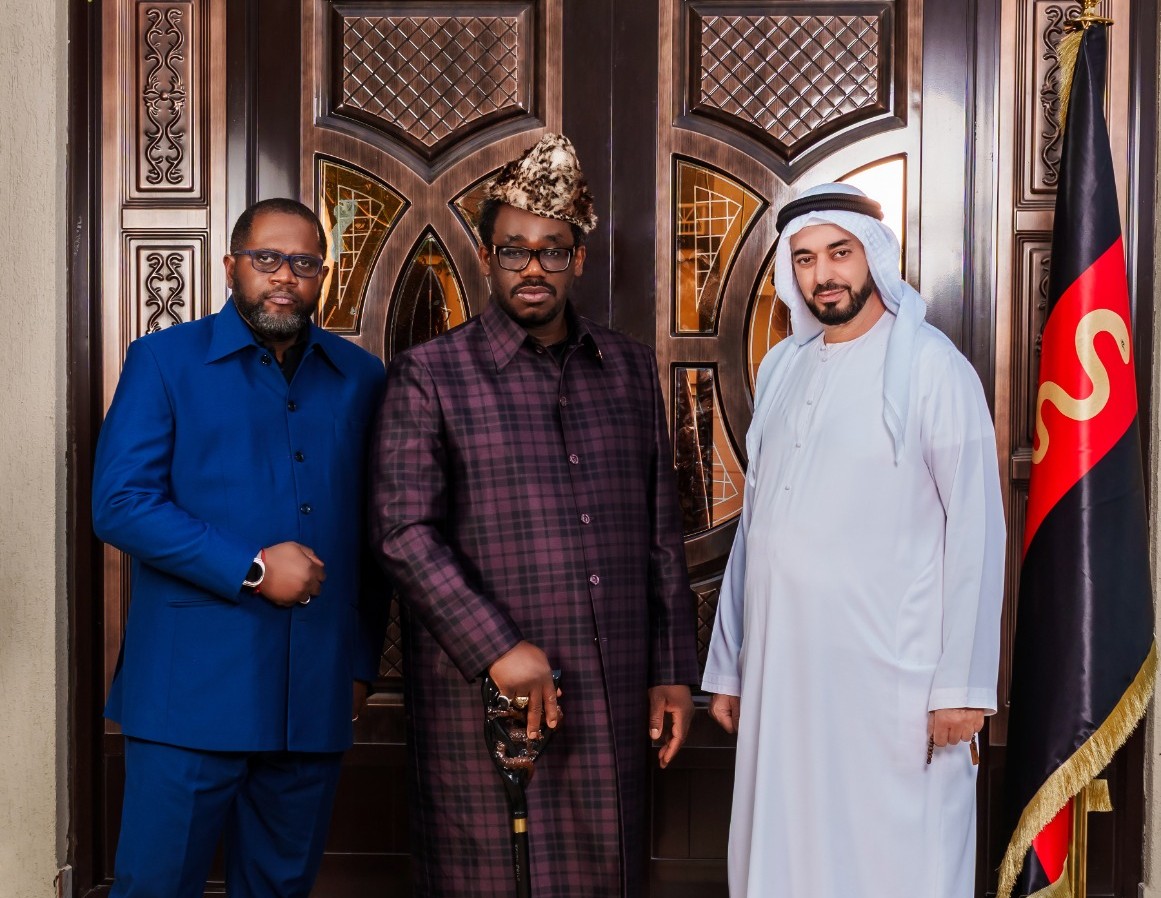


Politokamitism develops a political science rooted in African realities rather than assuming that political legitimacy, governance models, and institutional solutions must always be imported and validated from outside.
It does not reject engagement with the wider world. It rejects dependence as a foundation for political thought and insists instead on the capacity of African societies to think, produce, govern, and decide for themselves.
Politics is understood first as a science of duty.
The State's first obligation is to protect, to serve, and to be present.
These commitments are not aspirational language. They define the ethical and political standard expected within the movement.
No office, alliance, or advantage justifies abandoning the doctrine's ethical core.
Solutions must be built from African realities, not imported wholesale and presented as universal.
Power is never an end in itself, but a charge exercised on behalf of the community.
Advancement within the movement and within the State is earned through merit, competence, and service — never through patronage.
The movement's political life is governed by a conception of duty, discipline, and collective responsibility. Power is understood as a charge rather than a possession.
This ethical discipline applies to the movement's internal life as much as to its vision for the State: cadres are trained, evaluated, and held accountable according to this standard.
Ideological discipline is treated as a condition of membership, not an optional virtue.
The Politokamit vision seeks a society grounded in shared duty, collective responsibility, and human dignity — where freedom and responsibility, authority and justice, and material progress and moral stability are held together.
It is a society designed not simply to live better today, but to endure, transmit, and prepare for the future.
Explore the Political & Social Vision →Identity and memory are treated as political foundations. Sovereignty requires the capacity to remember, recognize, and define oneself rather than allowing political identity to be determined entirely from outside.
Memory becomes a foundation for continuity, dignity, and collective reconstruction.
Explore the DoctrinesThe official doctrine provides a framework for coherence, discipline, and continuity. It establishes principles that guide political thought, action, and responsibility beyond circumstances, personalities, and political cycles.
Explore the Doctrines →Discover how LKPD is governed, organized, guided, and carried into practice.
How authority, responsibility, and accountability are organized within the movement.
LKPD's national presence across Central Africa.
The principal fields through which the doctrine becomes political action.
The ethical standards that govern political action and membership.
The intellectual and political architecture guiding the movement.
Understanding the doctrine is the beginning. Membership is a commitment to participate in the work of building with integrity, discipline, and service.